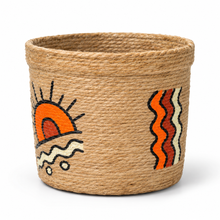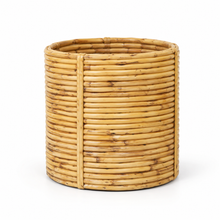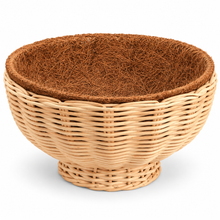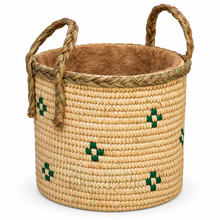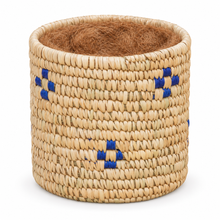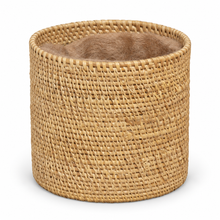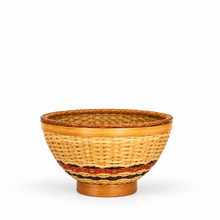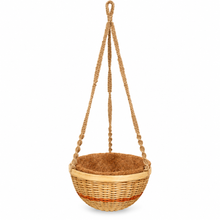


Your plant is trying to tell you Something.
Whether it’s yellow leaves, pests, slow growth, watering confusion, or repotting stress, we’re here to help you understand the signs, find the right solution, and grow with confidence.

What would you like to know?
Can I use regular garden soil in pots?
- Garden soil is heavy. In a pot it packs down, holds too much water and suffocates the roots.
- Pots need a light, airy mix that drains well but still holds moisture.
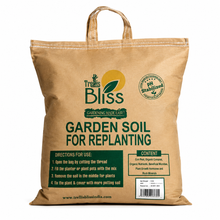
- Trellis Bliss Garden Soil is ready to use: fill the pot and plant straight away.
Good to knowCoco peat, a key part of good potting mixes, can hold about 8 times its own weight in water. Roots stay moist without sitting in mud.
How much soil do I need for my pot?
- 6-inch pot: about 3–4 litres
- 8-inch pot: about 6–8 litres
- 10-inch pot: about 10–14 litres
- 12-inch pot: about 18–22 litres
- Leave 1–2 inches below the rim so water doesn't spill over.
Good to knowOne 25 L bag fills roughly two 10-inch pots, or one 14-inch pot.
Why is the soil sold in litres, and why does the bag feel light?
- Pots are filled by volume, so litres tell you exactly how many pots a bag will fill.
- Our mix is organic and airy, so it weighs far less than mud.
- Light soil means air around the roots, and pots that are easy to move.
Good to knowA 25 L bag weighs about 9.5 kg. The same volume of regular garden soil usually weighs three times as much.
How often should I change the soil in my pots?
- Refresh the soil or repot every 12–18 months.
- Signs it's time: water runs straight through, the soil feels hard, or roots poke out of the drainage holes.
- Best time is February–March, before the summer growth spurt. Avoid repotting in peak heat.
Good to knowEven untouched, potting mix breaks down and compacts within about two years, which is why old soil drains badly.
What does pH-stabilised soil mean?
- pH tells you how acidic or alkaline the soil is.
- Most plants absorb nutrients best between pH 6.0 and 7.0.
- Our soil is balanced to stay in that range, so the food you add actually reaches the roots.
Good to knowOutside pH 6–7, nutrients like phosphorus get locked in the soil. A plant can go hungry even in a well-fed pot.
How often should I water my plants?
- There's no fixed schedule. Check the soil, not the calendar.
- Push a finger about an inch into the soil. Dry? Water. Still damp? Wait.
- Expect to water more in summer and much less in the monsoon and winter.
Good to knowWatering mistakes, mostly too much water, are the number one reason houseplants die.
How do I know if I'm overwatering?
- Lower leaves turn yellow and soft
- The soil stays wet for days or smells sour
- Tiny flies hover around the pot
- The plant droops even though the soil is wet
Good to knowRotting roots can't take up water, so an overwatered plant often droops just like a thirsty one.
How much water should I give each time?
- Water slowly until it starts draining out of the bottom.
- Empty the saucer within an hour so roots don't sit in water.
- Then wait until the top inch of soil is dry again.
Good to knowSmall daily sips keep only the top layer wet and teach roots to stay shallow. A deep drink, less often, grows stronger roots.
Do my pots really need drainage holes?
- Yes. Without them, extra water pools at the bottom and the roots rot.
- Love a pot without holes? Use it as a cover pot and keep the plant in a plastic nursery pot inside it.
Good to knowHealthy soil is roughly one quarter air. Waterlogged soil pushes that air out and the roots suffocate.
How should I water in Indian summers and the monsoon?
- Summer: water early in the morning, check the soil daily, and shield pots from harsh afternoon sun.
- Monsoon: cut back sharply, keep pots out of continuous rain, and check the drainage holes aren't blocked.
- Winter: water only when the top inch is dry, often once a week or less.
Good to knowFungus gnats breed in constantly wet soil and go from egg to adult in about 3–4 weeks, which is why they boom in the monsoon.
When and how often should I feed my plants?
- Feed when your plant is actively putting out new leaves or buds.
- Follow the dose and timing on the pack. More is not better.
- Always water first. Never feed a plant whose soil is bone dry.
- Ease off in winter or when the plant isn't growing.
Good to knowOrganic feeds like vermicompost release nutrients slowly, so they're gentle on roots and hard to overdo.
Which Trellis Bliss feed should I use?
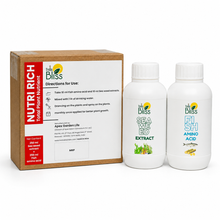
- Nutri Rich: an all-purpose liquid feed, the quick pick-me-up for a tired plant.
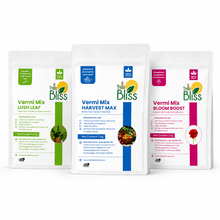
- Vermi Mix: three organic mixes, for leaves, flowers and fruit, matched to the growth stage.
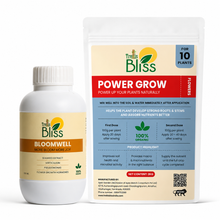
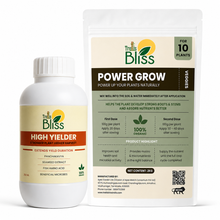
- Power Grow: targeted feeds for vegetables, fruit or flowering plants. The Flowering one is for the plant that won't bloom.
Good to knowNot sure which one? WhatsApp us a photo of your plant and we'll tell you exactly what it needs.
Why are my plant's leaves turning yellow?
- Older, lower leaves turning yellow: usually overwatering or a lack of nitrogen.
- New leaves yellow with green veins: often iron, linked to soil pH.
- Yellow with brown, crispy edges: too much sun or too much fertiliser.
Good to knowWrong soil pH can starve a plant even when nutrients are present, because they're locked away from the roots.
Is vermicompost really better than regular compost?
- Yes. Worm-made compost is finer and richer.
- It improves soil structure and helps it hold moisture.
- It releases nutrients slowly, so it rarely burns roots.
Good to knowIn a university comparison, vermicompost held about 1.9% nitrogen against 0.8% in regular garden compost, more than twice as much.
Can I give my plant too much fertiliser?
- Yes. Signs are a white crust on the soil, brown leaf tips and sudden leaf drop.
- To fix it, water the pot thoroughly two or three times to flush it, then pause feeding for a month.
- Stick to the dose on the pack.
Good to knowFertiliser salts pull water out of roots, which is why overfeeding looks like drought: brown, crispy edges.
What are the white cottony spots on my plant?
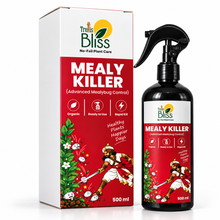
- Those are mealybugs. They suck sap and hide in leaf joints and under leaves.
- Move the plant away from your other plants straight away.
- Wipe them off with a cotton bud dipped in rubbing alcohol (test one leaf first).
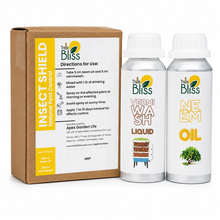
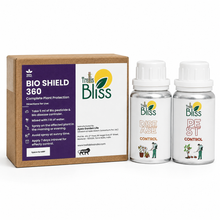
- Then spray Insect Shield and repeat after a week.
Good to knowMealybug eggs sit inside that white fluff, so one spray never finishes the job. Plan for at least two rounds, a week apart.
What are the tiny flies around my pots?
- They're fungus gnats. The adults are harmless, but their larvae live in wet topsoil.
- Let the top inch of soil dry out between waterings.
- Yellow sticky traps catch the adults.
Good to knowTheir life cycle takes about 3–4 weeks, so keep the soil drier for at least a month to break it.
Insect Shield or Bio Shield 360: which one do I need?
- Insect Shield: for early signs, a few bugs, or regular prevention.
- Bio Shield 360: for heavier infestations that have spread across the plant.
- Either way, isolate the plant and spray the undersides of the leaves too.
Good to knowMost pests hide under the leaves, so always check and spray the undersides, not just the top.
How often should I spray, and when?
- Active pests: every 5–7 days for 3–4 weeks.
- Prevention: once every 2 weeks.
- Spray in the evening and cover the undersides of the leaves.
Good to knowOil-based sprays like neem can scorch leaves in direct sun. Evening spraying protects the plant.
There are fine webs under my leaves. What is it?
- Most likely spider mites. They're tiny and leave leaves speckled and dull.
- Rinse the leaves, especially underneath, then spray.
- Raise the humidity around the plant: they hate moist air.
Good to knowSpider mites thrive in hot, dry air, so they peak in Indian summers and near AC vents.
How long will my order take to arrive?
- Most orders arrive within 7–10 working days (Monday to Saturday, excluding public holidays).
- You'll get the courier name and tracking number by SMS and email once it ships.
- Orders can be cancelled until they ship.
Good to knowPlease double-check your pincode and phone number at checkout. A complete address is the fastest way to a quick delivery.
Is Cash on Delivery available?
- Yes, Cash on Delivery is available.
- We also accept UPI, debit and credit cards, and net banking.
- Keep your phone reachable when the order is out for delivery.
Good to knowThe courier tries three times. After three missed attempts the order returns to us and is cancelled.
How do I track my order?
- Once your order ships, you'll receive the tracking (AWB) number and courier name by SMS and email.
- Enter it on the courier's website for live status.
- Can't find it? WhatsApp us your order number and we'll check for you.
Good to knowTracking usually starts showing a few hours after the courier picks up the parcel.
My order arrived damaged or wrong. What do I do?
- Take photos, or better, an unboxing video, of the product and the box.
- WhatsApp them to us with your order number within 7 days of delivery.
- We'll send you a free replacement.
Good to knowAn unboxing video makes your claim instant, with no back-and-forth needed.
Can I return a product?
- Soil and plant-care products are consumables, so we can't take back opened or unwanted items.
- Damaged, defective or wrong items are replaced free within 7 days of delivery.
- If a replacement isn't possible, we refund you to your original payment method within 7 working days.
Good to knowOur planters are handmade, so small differences in colour and shape are the artisan's touch, not a defect.
 Still stuck?
Contact us
Talk to a real plant person. We usually reply within working hours.