product of this month
5% discount on prepaid order
Home / Soil & Mixes / Trellis Bliss Bamboo single Wall Planter

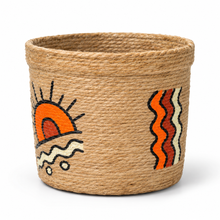
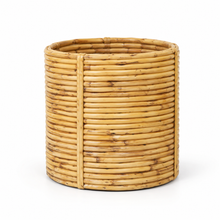
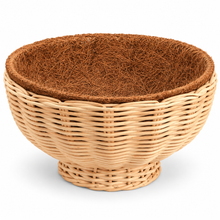
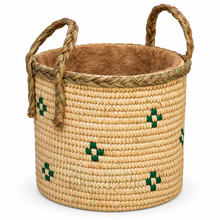
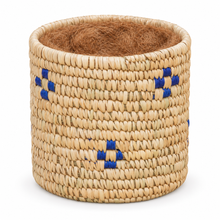
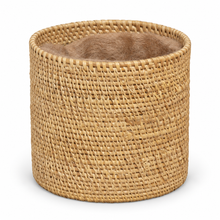
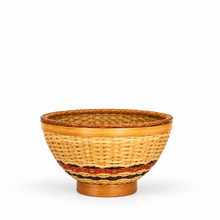
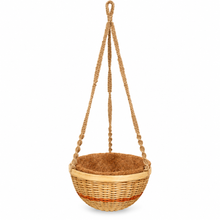
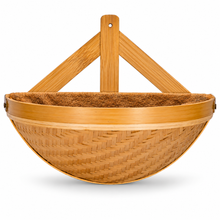
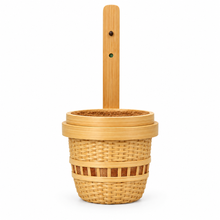
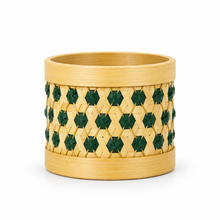
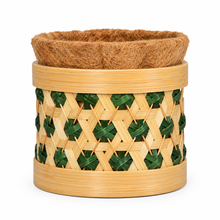
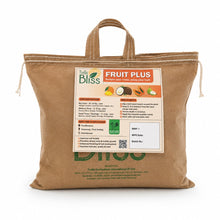
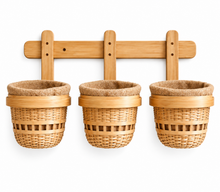
Trellis Bliss Bamboo single Wall Planter

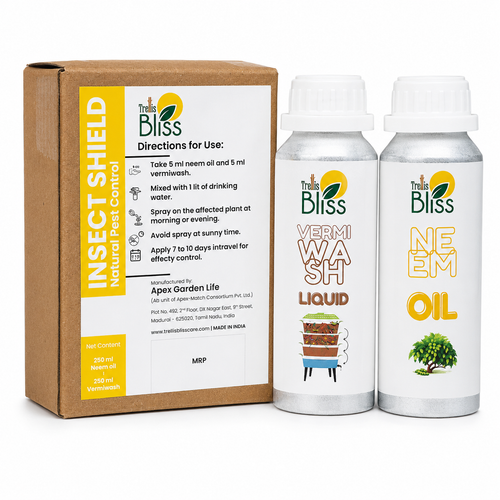
Protects plants from pests & supports healthy growth with balanced organic formulation.

★★★★★ 4.6 out of 5 · 2,140 gardeners reviewed this
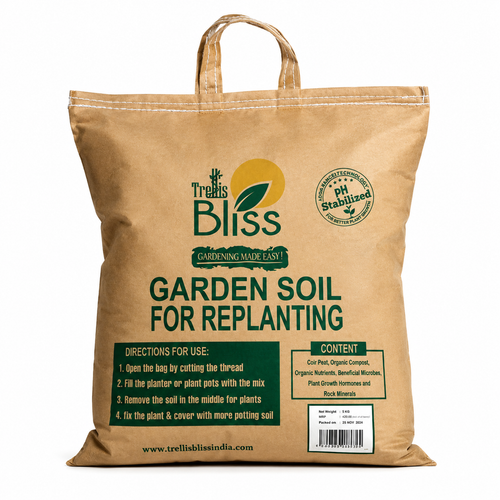
🌱 Rich & Nourishing Soil 🌿 Healthy Root Growth ✨ Ready for Better Gardening
Rs. 1,400.00
using code Green (auto-applied)
MRP inclusive of all taxes
SELECT SIZE
Net weight : Default Title
If you are not 100% satisfied with your purchase, we offer a 100% money-back guarantee within 30 days of delivery. No questions asked.
Easy 7-day returns and hassle-free order cancellation before dispatch. Contact our support team for quick assistance.
Feature Image

Trellis Bliss Bamboo single Wall Planter
Rs. 1,400.00
Fast, Careful
Shipping
Fast, Careful Shipping
Secure Payments
Secure Payments
7-Day Easy
Replacement
7-Day Easy Replacement
Sourced &
Blended in India
Sourced & Blended in India
Indoor Plants
Indoor Plants
Flowering Plants
Flowering Plants
Vegetable Beds
Vegetable Beds
Terrace & Balcony Gardens
Indoor Plants
Indoor Plants
Flowering Plants
Flowering Plants
Vegetable Beds
Vegetable Beds
Terrace & Balcony Gardens
Built to Match What Your Plant Needs Right Now

Built to Match What Your Plant Needs Right Now

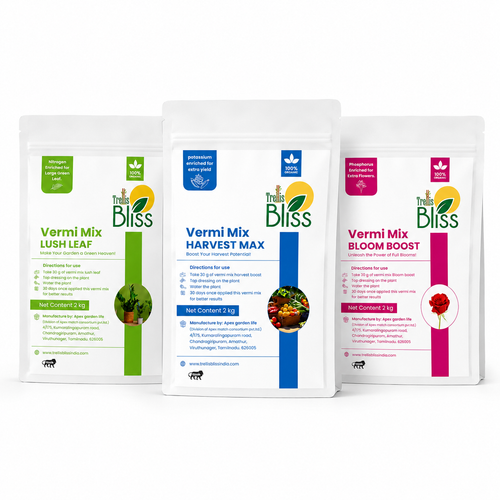
A plant pushing out leaves, a rose forming buds, and a tomato setting fruit are all asking for different things. One generic feed can't answer all three — so it usually only half-answers each. Trellis Bliss splits that job into three organic mixes, each built around the one nutrient that stage needs most, so the feeding actually matches the growth happening right now.

Three Formulas, Not One Guess 
WHAT MAKES IT DIFFERENT

Three Formulas, Not One Guess 

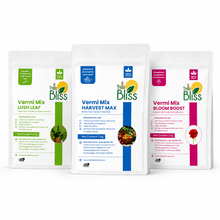
Most combo packs are the same manure split into three bags. Ours isn't — each mix is mineral-matched: Lush Leaf for nitrogen, Bloom Well for phosphorus, Harvest Max for potassium, every batch tested for the same ratio. Sourced from trusted farms, screened for weeds and pests, and blended in small batches so freshness doesn't vary from bag to bag.

Sourced from trusted farms, screened for weeds and pests, and blended in small batches for freshness.

3
Targeted mixes is different growth stages
N. P. K
Nutrition focused on leaves, flowers & fruits
20 - 30
Days between recommended applications
After After
Before Before

How to Use

From bag to pot in four simple steps.

1. Choose Your Mix

Pick Lush Leaf, Bloom Well or Harvest Max based on what your plant needs.

2. Apply Around Topsoil

Spread the recommended quantity evenly around the base — no extra additives needed.

3. Mix & Water

Lightly work into the topsoil and water until it drains through.

4. Repeat Every 20–30 Days

Reapply on a simple rhythm to keep nutrition levels up.

Recently viewed products

Frequently Asked Questions

1

Why is Trellis Bliss Garden Soil sold in litres instead of kg?

Soil is used to fill pots by volume, not weight. Different soil materials have different densities, so litres give a better idea of how much soil is needed to fill a pot.

TIPS

Choose soil quantity based on pot volume, not weight.

2

How much Trellis Bliss Garden Soil do I need for my pot?

Approx.: 4″: 0.8–1.2 L, 5″: 1.5–2 L, 6″: 3–4 L, 8″: 6–8 L, 10″: 10–14 L, 12″: 18–22 L, 14″: 25–30 L.

NOTE

Actual quantity varies with the pot's shape, depth and filling level.

3

Why does the same-size pot sometimes need different amounts of soil?

Pots with the same diameter can have different depths and shapes, which changes their soil capacity.

TIPS

Check both the diameter and depth of your pot.

4

Should I fill the pot completely with soil?

No. Leave around 1–2 inches of space below the rim to prevent soil and water from spilling during watering.

TIPS

Keep some space at the top for easier watering.

5

Can I use Trellis Bliss Garden Soil directly in the pot?

Yes. It is a ready-to-use growing medium for home gardening. Fill the pot, plant appropriately and water as required.

TIPS

Always use a pot with proper drainage holes.

6

Is lightweight soil a disadvantage?

No. Lightweight growing media are easier to handle and can provide good air space around roots when properly formulated.

TIPS

Good root aeration supports healthier plant growth.

7

How do I know when to water my plant?

Insert your finger about 2 inches into the soil. If it feels dry, water thoroughly. If it is still moist, wait.

TIPS

Check the soil before watering—don't water by calendar.

8

Why are my plant leaves turning yellow?

Possible causes include overwatering, poor drainage, insufficient light, nutrient deficiency, natural ageing or root stress.

TIPS

Check soil moisture, drainage and light first before adding nutrients.

9

My plant is drooping. Does it need water?

Not always. Both underwatering and overwatering can cause drooping. Dry soil may indicate thirst, while wet soil may indicate root stress.

TIPS

Check the soil before watering.

10

Why is my soil staying wet for a long time?

Possible reasons include excess watering, poor drainage, low sunlight, poor airflow or moisture-retentive soil.

TIPS

Ensure excess water can drain freely from the pot.

11

How much sunlight does my plant need?

Light requirements depend on the plant. Indoor foliage plants generally prefer bright indirect light, while vegetables and flowering plants usually require more sunlight.

TIPS

Match the sunlight to the specific plant type.

12

My plant gets sunlight but still grows slowly. Why?

Plant growth depends on several factors, not sunlight alone. Water, roots, nutrients and temperature also affect growth.

TIPS

Check all five: Light + Water + Roots + Nutrients + Temperature.

13

How often should I add nutrients?

There is no single schedule for every plant. Nutrient requirements vary with plant type, pot size, growth stage and existing soil fertility.

TIPS

Feed according to the plant's condition and growth stage.

14

My plant has plenty of leaves but no flowers. Why?

Common causes include insufficient sunlight, excess nitrogen, incorrect pruning, plant immaturity, watering issues or unsuitable nutrition.

TIPS

Check sunlight first, then review watering and nutrition.

15

How can I get more flowers?

Provide suitable sunlight, healthy roots, proper watering, balanced nutrition and appropriate pruning.

TIPS

More fertilizer does not automatically mean more flowers.

16

Why are my leaves turning brown at the edges?

Possible causes include underwatering, irregular watering, heat, low humidity, nutrient or salt buildup, and root problems.

TIPS

Check the plant's overall growing conditions before treatment.

17

Why is my plant's new growth small or pale?

Insufficient light, nutrient deficiency, root problems, watering issues or pest damage may affect new growth.

TIPS

Look at the whole plant, not just one leaf.

18

Can I reuse old pot soil?

Yes, but remove old roots and debris, inspect for pests or disease, refresh the growing medium and replenish nutrients if required.

TIPS

Refresh old soil before reusing it.

19

Does a bigger pot always mean better growth?

No. An oversized pot can retain excess moisture for longer and increase the risk of root problems.

TIPS

Choose a pot only slightly larger than the root system.

20

Why are drainage holes important?

Drainage holes allow excess water to escape and reduce the risk of waterlogging and root problems.

TIPS

Never grow plants in a container where excess water cannot escape.

21

Can I keep my plant indoors?

Yes, provided the plant is suitable for indoor conditions and receives enough appropriate light.

TIPS

Place indoor plants where they receive suitable natural or bright indirect light.

22

Should I water plants in the morning or evening?

Morning is generally convenient, but soil moisture and the plant's needs are more important than the clock.

TIPS

Water when the soil needs it, not simply because it is morning or evening.

23

Why does my potting soil become hard after a few months?

Repeated watering, fine particles and decomposition of organic material can compact the soil and reduce aeration.

TIPS

Gently loosen the top layer and refresh compacted growing media when needed.

24

Why does water run straight through the pot without soaking the soil?

Very dry soil can become water-repellent and may not absorb water immediately.

TIPS

Water slowly in 2–3 stages so the soil absorbs moisture evenly.

25

Why are the bottom leaves yellow but the new leaves are healthy?

A few older leaves naturally turning yellow can be normal ageing. If yellowing spreads upward, there may be another issue.

TIPS

Monitor the plant—investigate if yellowing continues to spread.

26

Why are my leaves dark green but flowering is poor?

Excess nitrogen can encourage leafy growth instead of flowering, particularly when sunlight is insufficient.

TIPS

Check sunlight and use balanced nutrition instead of excess nitrogen.

27

Why does my plant stop growing even though I fertilize regularly?

Root health, pot size, soil condition, sunlight, watering or pests may be limiting growth. More fertilizer may not solve these problems.

TIPS

Diagnose the growing conditions before adding more fertilizer.

28

How do I know if my plant has become root-bound?

Signs include roots coming through drainage holes, tightly circling roots, slow growth, rapid drying and water passing through quickly.

TIPS

Repot into an appropriately larger pot, not an excessively large one.

29

Should I add fertilizer when my plant is already stressed?

Avoid rushing to fertilize a severely stressed plant. First identify and correct problems such as watering, heat, pests, root damage or light.

TIPS

Feed once the plant recovers and resumes active growth.

30

Why does the same fertilizer work well for one plant but poorly for another?

Different plants have different nutrient needs. Soil, pot size, watering, light and growth stage also influence fertilizer response.

TIPS

Adjust feeding according to the plant and its growing conditions.

31

How can I improve flowering without over-fertilizing?

Provide suitable sunlight, healthy roots, consistent moisture, balanced nutrition and correct pruning.

TIPS

Flowering depends on overall plant health—not fertilizer alone.

32

When should I completely replace my potting soil?

Replace or refresh it when it becomes heavily compacted, poorly draining, depleted, contaminated by pests or disease, or structurally broken down.

TIPS

Healthy plants need a growing medium that remains airy, draining and nutrient-supportive.

Login

Forgot your password?

Don't have an account yet?
Create account

Plant Clinic